
If you watched the rollout for Season 2 of Owning Manhattan and thought, “Wow, that show is everywhere right now,” that wasn’t an accident.
Ryan Serhant didn’t treat the new season like a TV premiere. He treated it like a product launch—with anticipation, distribution, and binge behavior engineered in advance. That mindset is the real lesson here, whether you’re promoting a Netflix show, a startup, or a service-based business.
This wasn’t about one viral clip. It was about stacking channels, tightening timing, and making it nearly impossible for his audience not to know Season 2 was coming.
Treating a Show Like a Product (Because It Is One)
Most brands still launch things the old way: one announcement, a few posts, and a hope that “word of mouth” kicks in. Serhant went the opposite direction.
Season 2 of Owning Manhattan was framed as an event. There was a clear release date, a clear narrative upgrade (“higher stakes,” “more vulnerability,” “bigger deals”), and a coordinated push across podcasts, short-form video, creator collaborations, and legacy media—all clustered tightly around the December 5 drop on Netflix.
That’s launch discipline. And it’s something most businesses skip.
Podcast as a Launch Funnel (Not a Side Project)
One of the smartest moves was launching a dedicated Owning Manhattan Podcast specifically to support the show.
Instead of generic promotion, the podcast positioned itself as the “unfiltered truth” behind what viewers were seeing on screen. Serhant and the cast broke down deals, interpersonal tension, and behind-the-scenes drama—while repeatedly directing listeners back to Netflix and the cast’s social channels.
This matters because podcasts capture the most invested segment of an audience. These aren’t casual scrollers. These are people who want context, nuance, and more time with the story. By giving superfans a deeper layer, the podcast didn’t just promote the show—it increased retention and rewatch behavior.
That’s a funnel, not content for content’s sake.
Short-Form Video as a Countdown Machine
On Instagram, TikTok, and Reels, the strategy was simple and relentless: date-first storytelling.
The official Owning Manhattan accounts ran pinned posts, countdown graphics (“49 days until Season 2”), teaser clips, and recycled moments from Season 1—all with one job: burn December 5 into the audience’s brain.
Nothing drifted off-message. Every clip pointed back to the release date and the platform. That consistency is what most brands miss. They chase novelty instead of reinforcement.
Short-form content works best when it’s repetitive on purpose.
Letting the Cast Do the Selling
Serhant didn’t try to centralize all promotion under one brand account. Instead, cast members amplified the launch using their own Reels and TikToks—highlighting drama, big deals, and “unseen footage,” while tagging the show and Netflix.
This is an underrated move.
Audiences trust people more than logos. When multiple cast members independently tease the same launch, it feels organic—even when it’s coordinated. The result is broader reach, more credibility, and far better engagement than a single corporate feed could ever pull off.
Borrowing Other People’s Audiences (On Purpose)
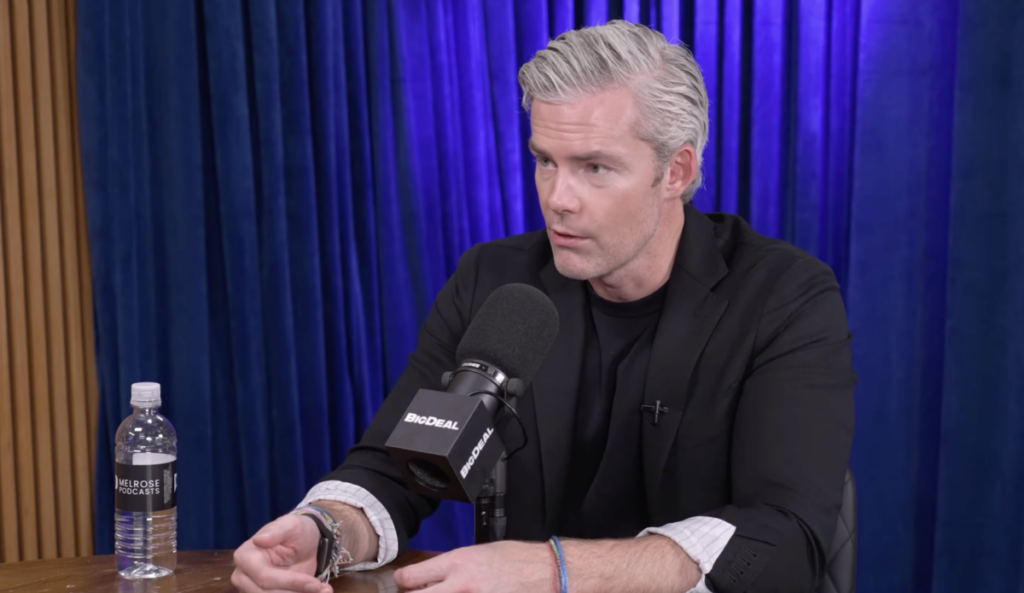
In the days leading up to the premiere, Serhant stacked high-reach interviews and creator collaborations—what he openly described as spending “144 hours with the biggest creators on the planet.”
That’s not accidental networking. That’s a creator blitz.
By timing appearances tightly around launch week, he ensured the show was being referenced simultaneously across business podcasts, entrepreneur platforms, and non-real-estate audiences. This is how you create the feeling that something is “everywhere” without relying on paid ads alone.
Attention compounds when timing is tight.
The Strategy Principles You Can Steal
You don’t need a Netflix show to apply this. The principles scale down cleanly:
Anchor launches with owned media. A show-specific podcast or video series gives your most engaged audience a deeper reason to care—and a reason to stick around.
Run countdown-style content. Dates matter. Pin them. Repeat them. Build anticipation instead of surprise.
Stack appearances around launch week. One interview is forgettable. Ten in five days creates momentum.
Let people sell for you. Teams, partners, or collaborators talking about the launch will always outperform brand-only messaging.
The Big Takeaway
Ryan Serhant didn’t rely on hype. He relied on structure.
Season 2 of Owning Manhattan succeeded as a marketing moment because it was treated like a product with a lifecycle—not a piece of content dropped into the void. The lesson is simple but uncomfortable: most launches fail not because the product is bad, but because the rollout is lazy.
Attention doesn’t happen by accident anymore.
It has to be built—on purpose.