
For most of modern history, political power followed a predictable path. You won elections, passed legislation, and communicated through press conferences and official statements. The assumption was simple: if something mattered, it would be covered, and if it was covered, the public would eventually absorb it. Policy drove the conversation, and communication followed behind it.
That model is breaking. Not because policy no longer matters, but because policy is no longer where perception is decided. The Department of Homeland Security’s shift into meme-driven communication, for example, shows the real fight is no longer happening in press briefings or policy papers. It’s happening in feeds—inside the content ecosystems where people actually form opinions.
The old system operated on the assumption that attention was guaranteed. Governments benefited from built-in distribution through legacy media and institutional channels. You didn’t need to compete for attention; you simply needed to show up. That allowed policymakers to focus on explanation, trusting the public would eventually catch up.
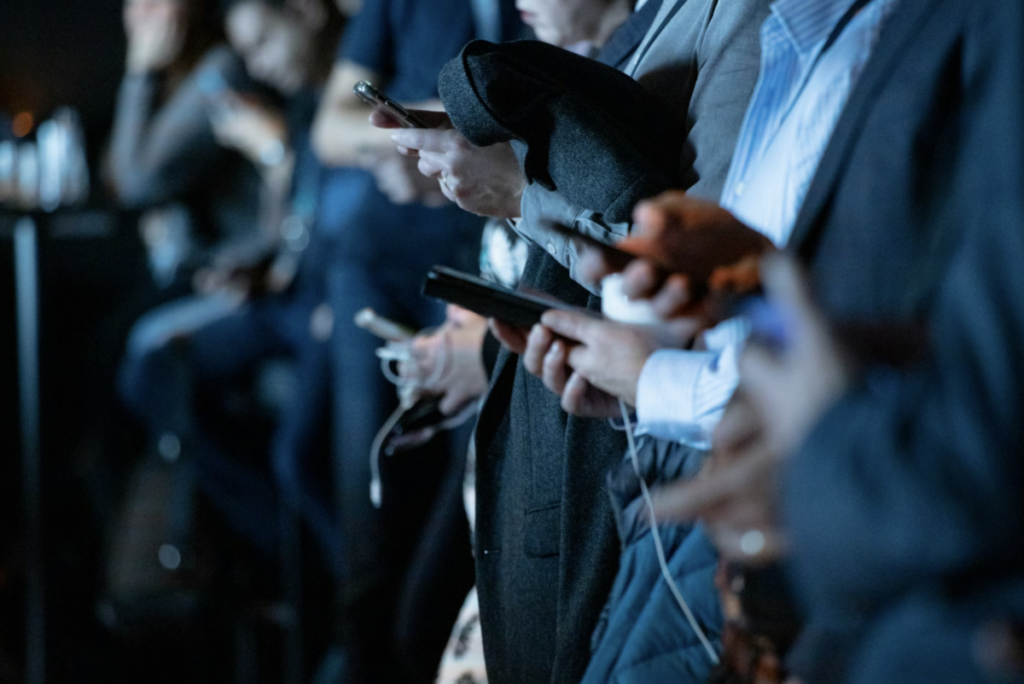
That advantage no longer exists. Attention today is fragmented, personalized, and shaped by algorithms that prioritize engagement over importance. The average voter is not waiting for a press briefing or reading a white paper. They are scrolling past it. As a result, political communication now operates under a different rule: if your message cannot compete in the feed, it effectively does not exist.